Lore
Phantom Blade Zero lore — the Phantom World setting, Kungfupunk universe, Soul backstory, 66 days mystery, and Rainblood connection
Introduction
The Phantom World is a universe unlike any other in gaming — a Kungfupunk setting that fuses Chinese Wuxia tradition, steampunk machinery, dark fantasy horror, and folk cultural practices into a cohesive world. S-Game scanned real ancient buildings across Guangdong, Fujian, Zhejiang, and Hebei provinces, collaborated with the Central Academy of Fine Arts, and incorporated authentic cultural traditions like Guangdong lion dances and Sichuan bianlian. The lore connects to the Rainblood series history spanning from 2010 RPG Maker origins to 2026's UE5 spectacle.
Cultural Elements in the Phantom World
| Element | Real-World Source | In-Game Representation | Significance |
|---|---|---|---|
| Lion Dance | Guangdong tradition | Flaming Mane Phantom Edge | Combat weapon inspired by cultural performance |
| Bianlian (Face-Changing) | Sichuan opera | Enemy transformation mechanics | Narrative and combat symbolism |
| Ancient Architecture | Guangdong/Fujian/Zhejiang temples | 3D scanned environments | Authentic world-building |
| Xuan Paper Maps | Traditional Chinese art | Hand-drawn by Central Academy artists | |
| Jianghu | Wuxia literary tradition | Domain outside imperial influence | Core setting framework |
| Erhu Music | Chinese two-string instrument | Game score by Caisheng Bo | Kill-intent rather than sorrow in composition |
World Elements
The Phantom World
Universe blending Wuxia, steampunk, cyberpunk, and horror
The Order
Assassin organization — Soul's origin and betrayal
Kungfupunk Aesthetic
S-Game's unique creation — martial arts meets punk
The Jianghu
Domain outside imperial influence — martial world
Erhu Soundtrack
Kill-intent composition — 7-beat alternating rhythm
Rainblood Legacy
15-year franchise history — from RPG Maker to UE5
Core Mechanics
The Phantom World operates on a layered reality system where shifting realities and memory echoes influence both narrative and gameplay. The Order, the assassin organization Soul served, has deep roots in the Jianghu — the domain outside imperial influence where martial artists operate by their own codes. Soul's 66-day sentence connects to a deeper conspiracy involving the patriarch's murder, a mystic healer, augmentations, and higher powers that manipulate reality itself. The Kungfupunk aesthetic isn't just visual — it's the philosophical core of the world.
Advantages
The lore connects to a 15-year franchise history (Rainblood series), providing deep narrative context that most new IP lacks. The real-world cultural scanning creates an authenticity that distinguishes it from other fantasy RPGs. The Kungfupunk aesthetic is S-Game's unique creation — no other game blends Wuxia and punk elements this way. The lore directly impacts gameplay through endings, boss encounters, and Phantom Edge designs.
Challenges
The Kungfupunk concept may confuse players unfamiliar with Wuxia traditions. The connection to the Rainblood series (a primarily Chinese-language franchise) means international players may miss significant narrative context. Some lore elements like the higher powers and shifting realities are intentionally cryptic, requiring multiple playthroughs to fully understand. The game doesn't explicitly explain all cultural references.
Frequently Asked Questions
Do I need to play Rainblood to understand the story?+
What is Kungfupunk?+
Why is the music erhu-based?+
Quick Tips
Pay attention to environmental details — the 3D-scanned architecture and cultural artifacts are not just background decoration. They often foreshadow narrative elements or provide context for boss encounters and Phantom Edge designs.
Explore the Rainblood connection after your first playthrough. Understanding the franchise history (2010 RPG Maker → 2026 UE5) adds layers of meaning to Soul's story and the Phantom World's deeper conspiracy. The evolution from indie to AAA mirrors Soul's own journey.
Listen to the erhu score during combat — the 7-beat alternating rhythm (4+3 / 3+4) syncs with the combat flow and can help you time your defensive responses. The music is not ambient; it's a combat cue system.
Featured
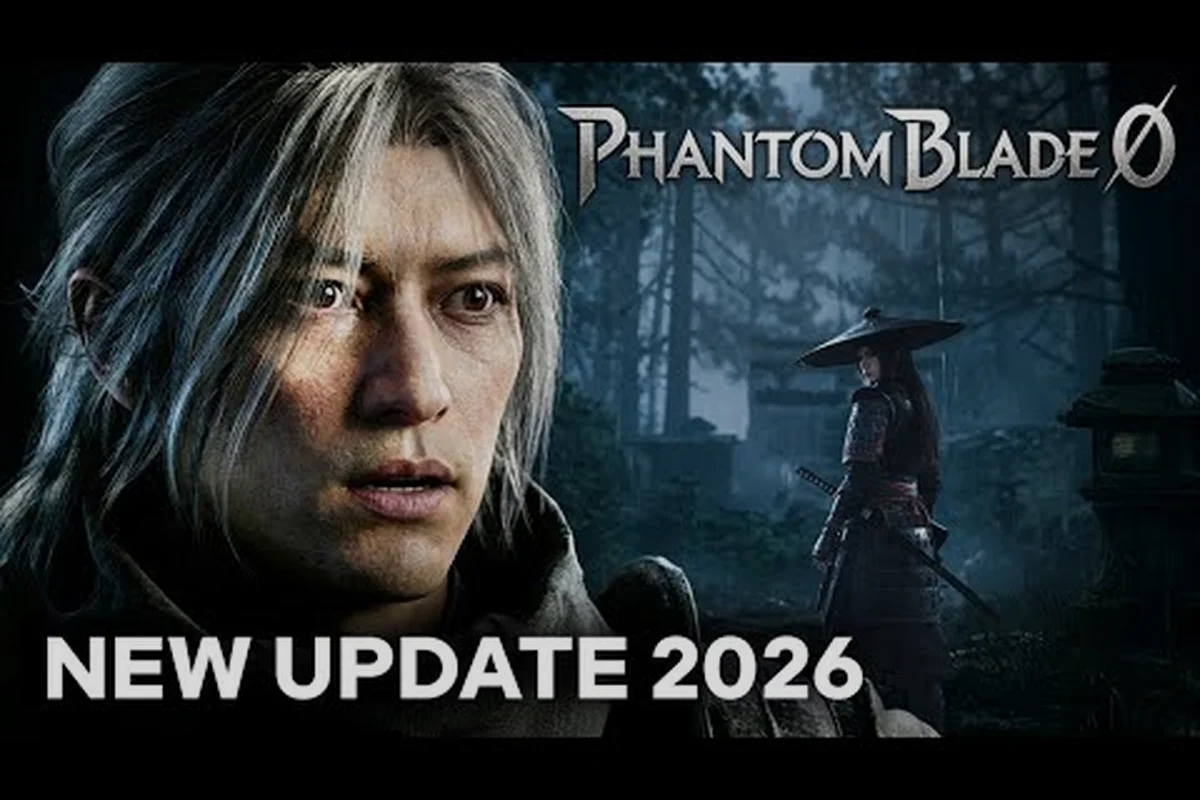
Phantom Blade Zero 66 Days Lore and Story Origins
Uncover the Phantom Blade Zero 66 days lore — origins, mythology, and cultural roots behind the Phantom World's pivotal 66-day cycle.
Phantom Blade Zero Story Explained: Complete Lore Guide
A complete breakdown of the Phantom Blade Zero story, covering Soul's journey, the warring factions, and major plot beats across every chapter.
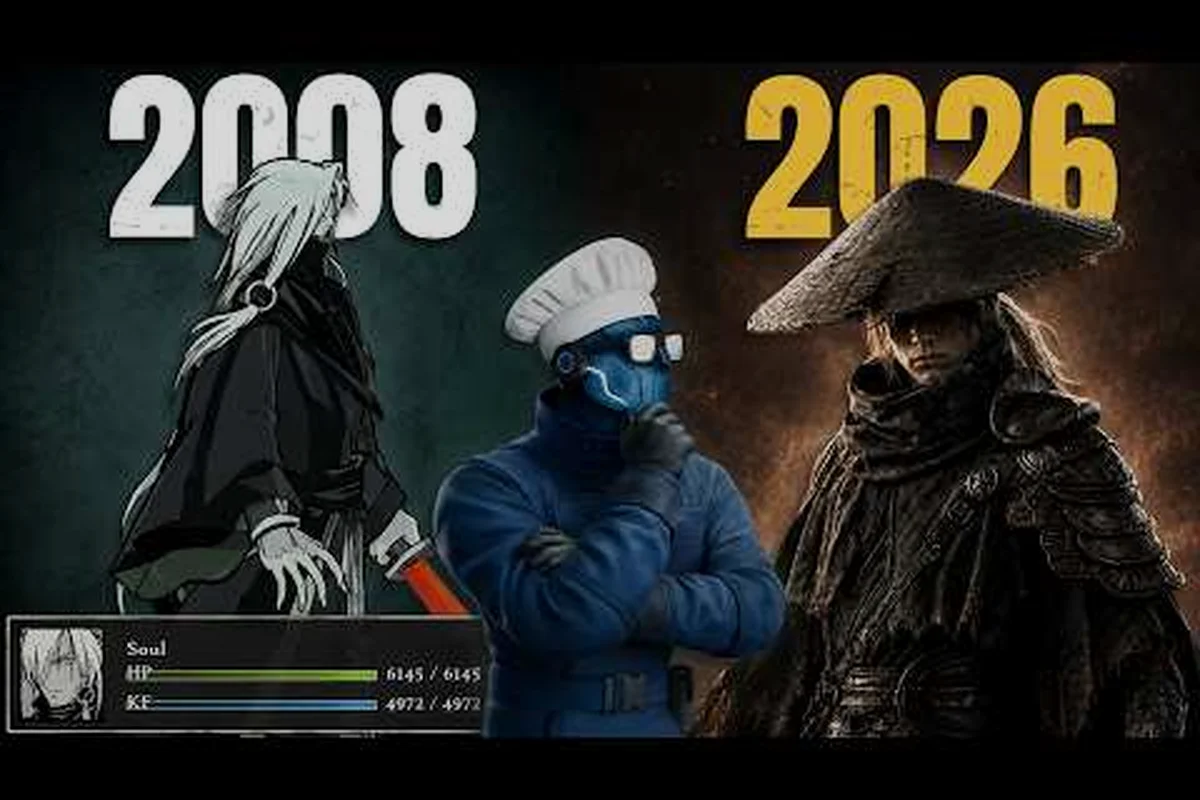
Phantom Blade Zero Lore Guide: World, Factions & History
Explore the Phantom Blade Zero lore guide covering the Phantom World factions, historical conflicts, and cultural roots drawn from real Chinese traditions.
All Articles
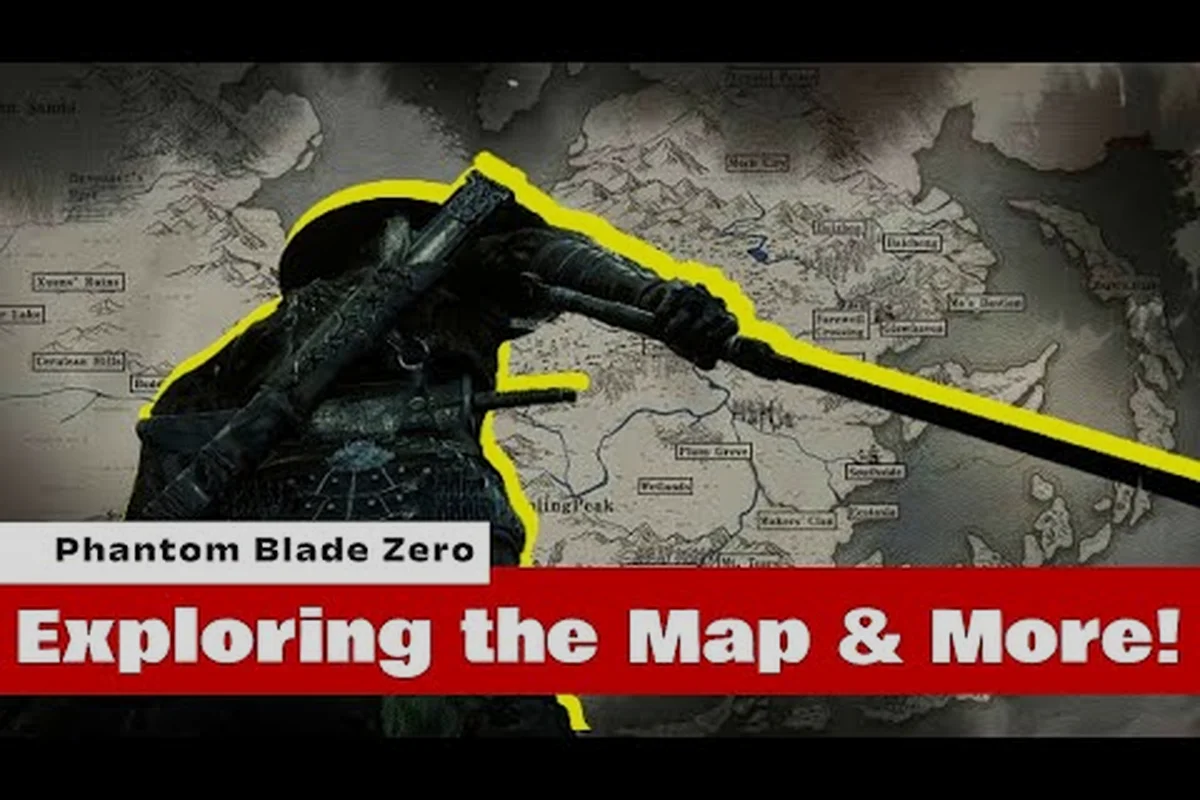
Phantom Blade Zero Kungfupunk World Setting Deep Dive
Explore the Kungfupunk world of Phantom Blade Zero — an S-Game art style fusing Wuxia philosophy, martial arts, punk spirit, and industrial machinery.
Phantom Blade Zero The Order Organization Explained
Explore Phantom Blade Zero The Order organization, the shadowy faction shaping the wuxia world. Discover its members, hierarchy, goals, and role in the main story.