
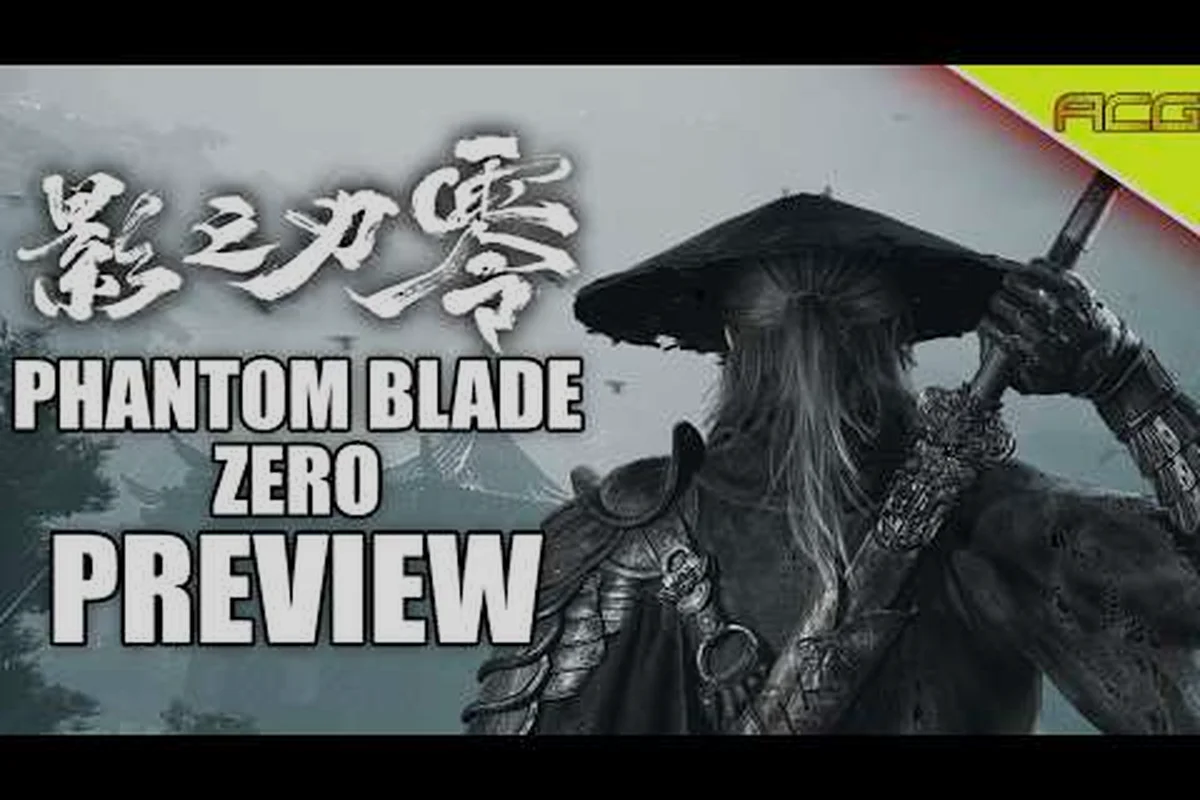
The Phantom Blade Zero The Order organization sits at the heart of the game's wuxia conspiracy, a clandestine faction whose tendrils reach every province, every duel, and every whispered rumor your protagonist overhears in taverns and shrines. If you have wandered through early chapters wondering why seemingly unrelated sword masters, corrupt magistrates, and wandering ronin keep circling back to a single name, this deep dive unpacks who The Order is, how it came to power, and what its agenda means for the soul of the story.
The Order Organization at a Glance
The Order is a millennia-spanning secret society operating behind the curtain of imperial politics, manipulating warlords, assassins, and merchant guilds alike. Unlike the surface-level sects you encounter as joinable factions, The Order does not advertise itself; it recruits in silence, trains in hidden enclaves, and rewards loyalty with techniques forbidden to common swordsmen.
The faction blends three roles that make it uniquely dangerous in the Phantom Blade Zero The Order organization narrative: it acts as a shadow government, a martial lineage, and a philosophical cult. Members range from tea house spies to elite blade-dancers who can shatter Breached-state guards with a single combo. Because the group predates the current dynasty, its symbolism blends older bronze-age motifs with later classical wuxia iconography, which gives every Order-related encounter a layered, ancient feeling.
| Aspect | The Order Organization | Common Player Faction |
|---|---|---|
| Recruitment | Covert, by invitation only | Open, quest-driven |
| Combat Style | Forbidden hybrid stances | Standard wuxia archetypes |
| Story Role | Antagonist framework | Ally or rival |
| Visibility | Hidden until Chapter 3+ | Introduced early |
| Player Alignment | Cannot be joined directly | Fully joinable |
Players who favor a stealth-oriented playthrough will notice The Order's fingerprints on optional contracts long before the main quest names them, which is why lore-focused players often catalog every Order-tagged NPC they meet.
Founding History and Origins of The Order
The Cataclysm Era
Long before the present imperial line took the throne, the continent was fractured among competing wuxia schools whose duels escalated into open war. The Order traces its birth to a single night — referenced in-game as the Iron Vow Cataclysm — when seven surviving masters signed a compact to end the wars. Rather than disband, they pooled their knowledge into a sealed archive, creating an institution that would outlive every dynasty that followed. This origin is confirmed in scattered in-game letters and the official setting primer on the Phantom Blade Zero official site, making it one of the few founding events with corroborating material outside the game itself.
The compact established three guiding principles that still govern the Phantom Blade Zero The Order organization: never rule openly, never let a single master hold all forbidden arts, and never break the silence. These principles surface as recurring motifs in environmental storytelling — sealed doors, red thread seals, and hidden training halls that only open after you complete specific stealth objectives.
Modern Resurgence
In the current timeline, The Order has fractured into a conservative Inner Council and a militant Vanguard Cell. The split occurred roughly two generations before the protagonist's birth, when a faction within the Order decided that centuries of patient manipulation had failed to prevent the empire's slow collapse. They began funding warlords directly, a heresy that prompted the Inner Council to declare them rogue.
When you start the campaign, both branches are active, and that is exactly why the Phantom Blade Zero The Order organization functions as a slow-burn mystery rather than a single villain. You will duel Vanguard Cell assassins in early chapters while receiving coded warnings from Inner Council sympathizers later. Players building toward a stealth run will find the Ghostep mechanics guide especially useful for infiltrating Order-adjacent compounds without triggering full alerts.
Hierarchy, Ranks, and Key Members
Understanding who speaks for The Order matters more than memorizing every name, because the faction's structure determines whose orders your enemies are actually following when you encounter them.
The Inner Council
The Inner Council comprises seven living masters, each guarding a sealed archive of forbidden combat forms. Council members rarely appear in person; instead, they issue edicts through intermediaries and respond to events by dispatching specific disciples. According to community-tested dialogue flags, each master controls one of the seven weapon archetypes the game advertises on its Steam page, which means defeating a Council disciple often rewards you with a variant of that master's signature style.
| Rank Title | Role | Visibility |
|---|---|---|
| First Penitent | Council Speaker | Named in lore scrolls |
| Archive Warden | Guards forbidden scrolls | Optional boss encounters |
| Crimson Emissary | Field commander | Recurring mini-boss |
| Silent Auditor | Internal affairs | Hidden, post-game |
| Threadbinder | Diplomatic liaison | Tavern story arcs |
The Inner Council's authority is absolute within Order doctrine, but their inability to act openly makes them appear weaker than they actually are — a deliberate narrative misdirection that the Phantom Blade Zero The Order organization uses to surprise players at the climax.
Vanguard Cell and Field Operatives
Below the Council sit the Vanguard Cell and the rank-and-file silent auditors who maintain surveillance across the empire. Vanguard operatives are the most common Order enemies you will fight, and their movesets intentionally mirror player techniques at higher difficulty tiers.
| Operative Type | Combat Specialty | Where They Appear |
|---|---|---|
| Crimson Auditor | Mid-range katana duels | Provincial magistrates' offices |
| Thread-Walker | Stealth, thrown blades | Night-market quests |
| Iron Penitent | Heavy stance, breaker | Fortified shrines |
| Whispersage | Support, debuffs | Multi-enemy duels |
| Penitent Dancer | Dual blades, Ghostep variants | Optional duels |
Because Vanguard Cell agents favor Breached-state pressure and aerial combos, players struggling against Order mini-bosses can sharpen their fundamentals with the combat fundamentals walkthrough, which covers the parry windows and dodge timings that Order enemies deliberately test. The beginner primer is also worth a pass before tackling Order-heavy chapters, because the faction's elite moves assume you already know how to manage Sha-Chi energy and Breached recovery.
The Order's Role in Combat, Story, and Player Choice
Story Campaign Influence
Across the campaign, The Order functions as the connective tissue between apparently unrelated provinces. Every warlord you topple, every magistrate you expose, and every duelist you spare traces back to a Council edict or a Vanguard contract. This is intentional design, because the developers want the world to feel authored by a hidden hand rather than a chain of isolated incidents. The result is that the Phantom Blade Zero The Order organization delivers one of the more cohesive faction storylines in modern wuxia action games, especially when players piece together the timeline from in-game letters, shrine graffiti, and post-quest dialogue.
There are three branching outcomes tied to how you handle Order encounters: full suppression, calculated co-existence, or secret alliance. Each branch unlocks unique ending cinematics, equipment variants, and a final duel whose difficulty scales with how much The Order trusts you. Players optimizing for the secret-alliance route should prioritize non-lethal knockouts and avoid looting Order corpses, because both actions lower your faction reputation.
Gameplay Mechanics Tied to The Order
The Order is not just a story wrapper — it actively shapes combat. Several Order-exclusive enemy archetypes punish greedy aggression by forcing you into defensive Sha-Chi plays, which is why mastering the Breached-state recovery system becomes essential in late-game Order duels. Likewise, Order archers and auditors will frequently bait parries, rewarding players who mix in well-timed dodges from the dodge timing reference and the parry window breakdown.
| Order Mechanic | Player Counter | Recommended Build |
|---|---|---|
| Forbidden stance swaps | Read telegraphed arm signals | Balanced stance, fast sheath |
| Breached-chain combos | Hold guard, recover on whiff | Heavy armor, high poise |
| Ghostep ambushes | Pre-empt with sweep attacks | Mid-weight, anti-air focus |
| Sha-Chi drain fields | Step out, punish recovery | Light frame, regen charms |
| Disarm grapples | Dodge backward, counter slash | Agility build, ranged tags |
Because these encounters appear across roughly a third of the campaign's combat content, treating them as the game's intended skill benchmark is a smart approach for newcomers. Veterans who can clear Order duels without healing will find the rest of the campaign noticeably easier, which is one reason the faction is widely regarded as the Phantom Blade Zero The Order organization unofficial skill gate.
Why The Order Matters for First-Time Players
If you are new to the game, the single most useful framing is this: The Order is the faction that punishes one-trick builds. Because its operatives mix ranged control, Breached pressure, and Ghostep feints, a player who only knows how to parry or only knows how to dodge will struggle against them. Building a layered kit — solid parry timing, reliable dodge discipline, and a backup plan for Sha-Chi drain — gives you the versatility that Order duels demand. Treat every Order encounter as a stress test, and you will find that the rest of the campaign opens up considerably once you internalize that pattern.
Frequently Asked Questions
Can you join The Order organization in Phantom Blade Zero?
No. The Phantom Blade Zero The Order organization is a story faction, not a joinable player faction. You can earn reputation, unlock Order-flavored gear, and pursue a secret-alliance ending, but you cannot formally defect or wear their colors as a primary allegiance.
When does The Order first appear in the campaign?
The Order is foreshadowed in optional contracts during Chapter 1, but the faction is named directly in Chapter 3 and becomes a recurring antagonist from Chapter 5 onward, based on community playtime data.
Who leads The Order organization?
The Inner Council collectively leads the faction, with the First Penitent acting as the ceremonial Speaker. Individual masters control specific weapon archetypes, which is why Order duels feel stylistically distinct across regions.
Are Order enemies harder than regular enemies?
Yes, on average. Vanguard Cell operatives have higher poise, faster Breached-state triggers, and access to techniques other factions do not use, which is why the Phantom Blade Zero The Order organization is often recommended as a mid-game skill benchmark.
Does The Order affect the ending of Phantom Blade Zero?
The Order's internal politics determine which of the three major endings becomes available, and your faction reputation directly influences whether the final Council duel is fought as a hostile or a reluctant ally, so every Order-related choice carries weight.
Now that you know how deep the Phantom Blade Zero The Order organization runs through the story, the next time you see a red-thread seal on a temple door, take a moment before breaking it — the faction's lore rewards careful observers as much as skilled swordsmen. Drop your toughest Order encounter in the comments so other players can swap strategies.